When most people think about trekking in Guatemala, they picture volcanoes, steep ridgelines, cloud forests, and dramatic sunrise views above the clouds. Those things absolutely exist here. The landscapes are wild, rugged, and unforgettable. But what surprised me most was that some of the most meaningful moments had nothing to do with the hiking itself.
They happened in villages.
They happened in kitchens.
They happened sitting quietly, observing daily life that has existed for generations long before tourism ever arrived.
This trek became something far deeper than a physical challenge. It became an introduction to the living culture of the Maya highlands.
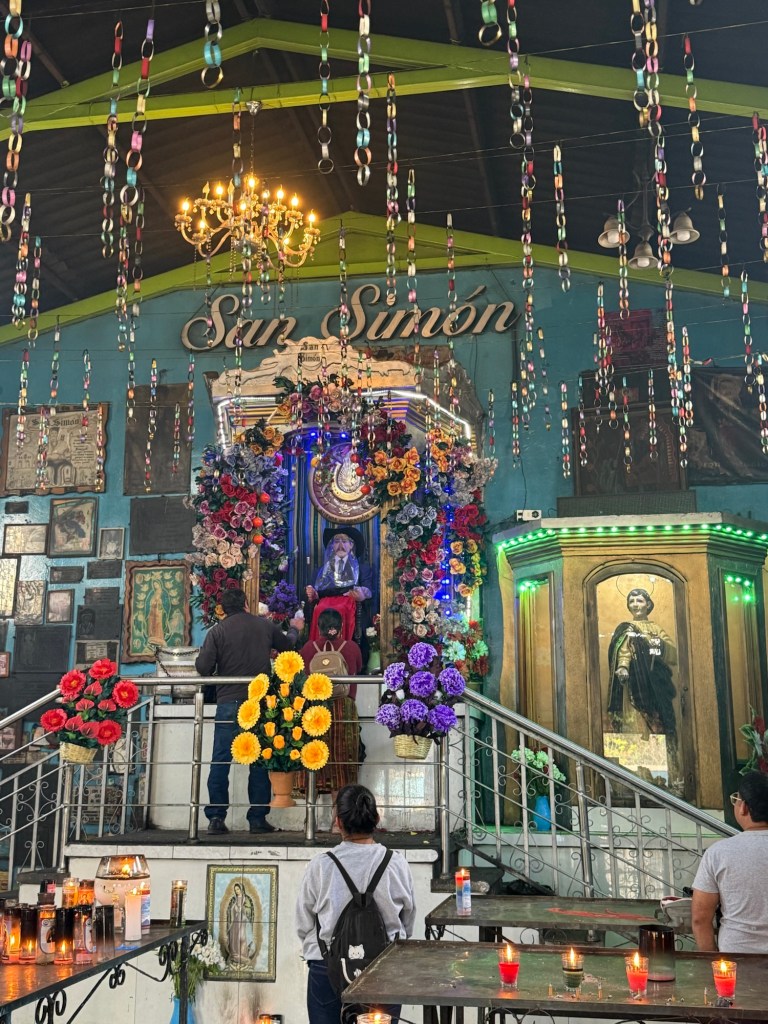
One of the first moments that really stayed with me was visiting a shrine dedicated to San Simón. The atmosphere felt unlike anything I had experienced before. Candles flickered in the dark room while smoke filled the air. Locals came and went quietly, offering prayers, cigarettes, liquor, flowers, and money. There was no polished presentation for visitors. No one was trying to package the experience into something digestible for tourists.
It felt real.
San Simón exists in this fascinating space where Indigenous Maya beliefs and Catholic influences intertwine. The shrine reflected that blend perfectly. It was spiritual, mysterious, and deeply personal for the people who came there. As an outsider, I realized quickly that the best thing I could do was observe respectfully and listen rather than try to fully explain or categorize what I was seeing.
That became a recurring theme throughout the trek.
Some of the most authentic experiences happened when nobody was trying to impress anyone.
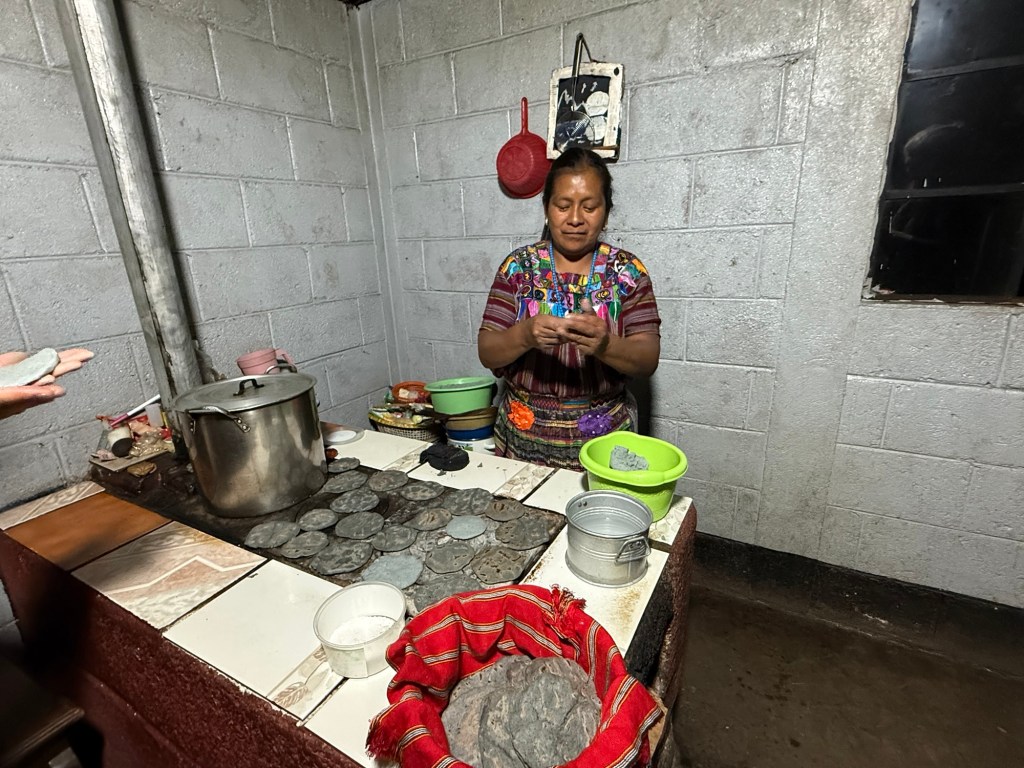
One afternoon, local women taught us how to make tortillas by hand. At first glance it sounds simple enough. Flatten dough. Place it on a hot surface. Flip it. But after watching them work with effortless rhythm and speed, it became obvious this was more than cooking. It was daily life passed down through generations.
Meanwhile, many of us struggled to make anything remotely circular.
There was laughter, patience, and a sense of connection that felt natural instead of staged. Nobody gave a rehearsed speech about preserving tradition. Nobody tried to create a cinematic cultural performance. They were simply sharing part of everyday life with us.
And honestly, those are often the moments travelers remember most.
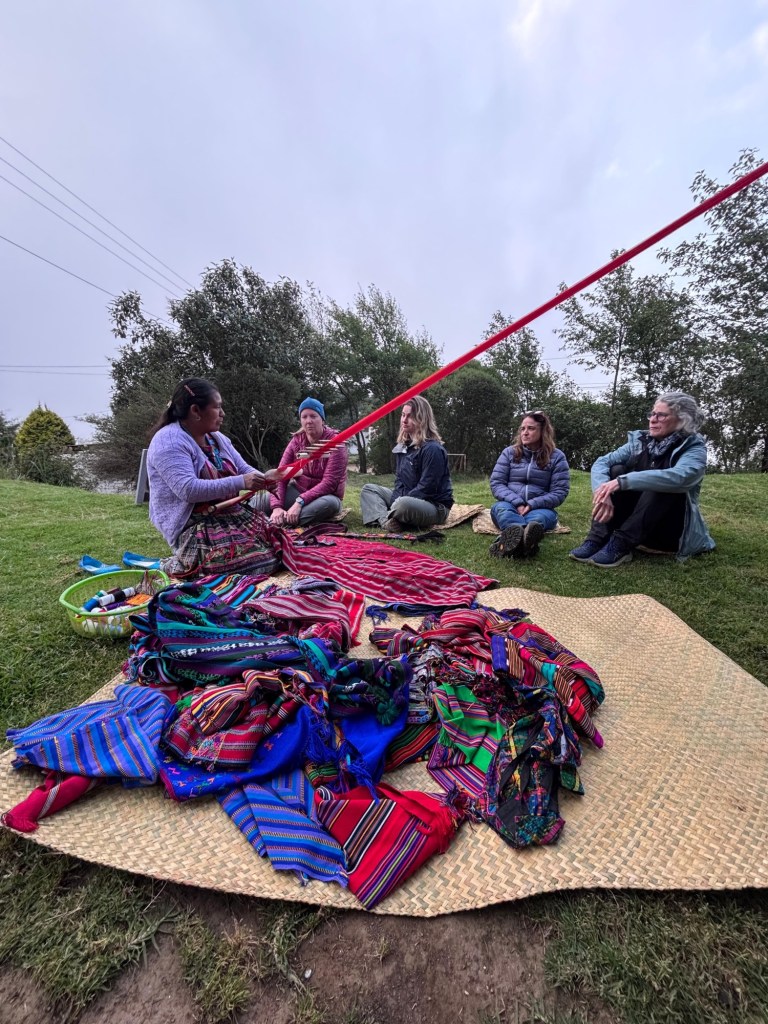
The weaving cooperatives offered another window into Maya culture that went far beyond shopping for souvenirs. It is easy to walk through markets and admire textiles without understanding the skill, symbolism, and labor behind them. Seeing the process firsthand changes that perspective entirely.
The colors are not random.
The patterns are not random.
Many designs carry meaning tied to villages, identity, history, and family heritage. Some techniques take years to master. Watching women weave intricate patterns by hand with incredible precision made me realize how disconnected many of us are from the origins of the things we buy and use every day.
In many places around the world, tourism can sometimes feel performative. Experiences are polished, curated, and designed around what visitors expect to see. Guatemala certainly has touristy moments too. But in the remote villages along this trek, the experiences often felt refreshingly unfiltered.
Children waved from dirt roads as we passed through.
Farmers worked steep hillsides that looked nearly impossible to cultivate.
Women carried firewood and goods with strength that would humble most travelers within minutes.
You begin to realize quickly that life here is physically demanding in ways many outsiders are not accustomed to. Yet there is also resilience, community, and pride woven into everyday existence.
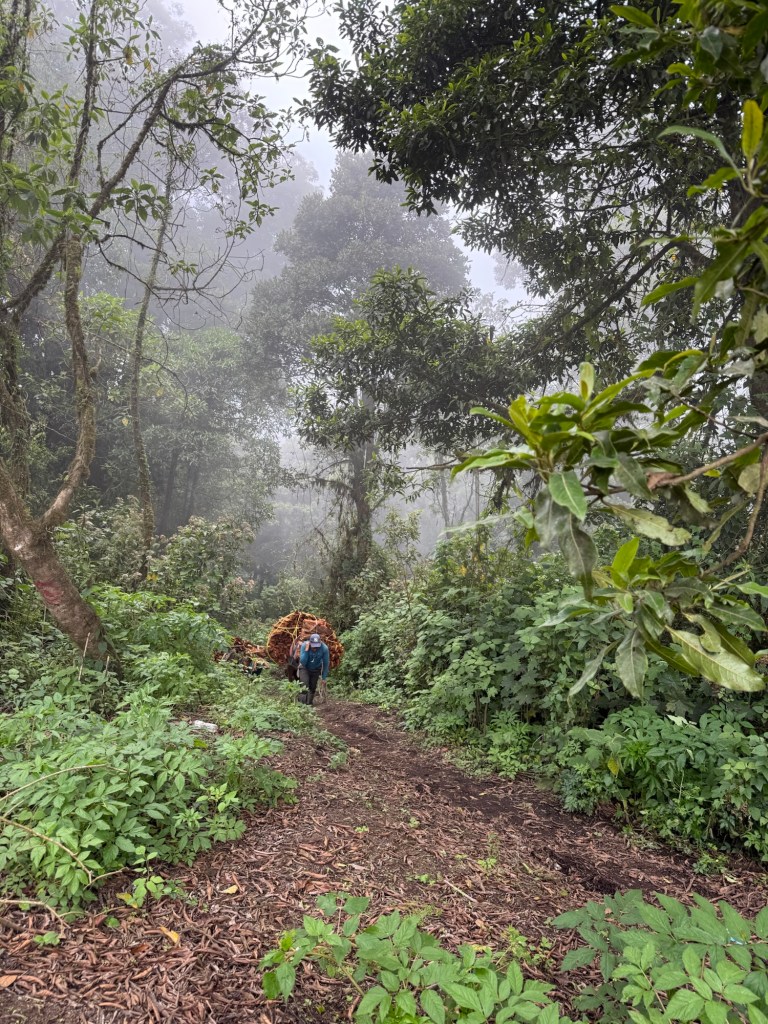
Trekking creates a unique kind of connection because you move slowly through a landscape instead of speeding past it. You feel the elevation changes. You notice the smells from cooking fires. You hear conversations echoing through villages. You stop long enough to actually observe.
That slower pace changes everything.
Instead of seeing Guatemala as a collection of attractions, you begin to experience it as a living place filled with history, spirituality, hardship, beauty, and tradition.
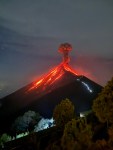
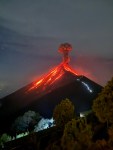
The mountains may be what bring travelers here initially. Watching Volcán Fuego erupt under the stars is every bit as surreal as people say it is. But long after the trek ends, many travelers remember something else entirely.
A woman teaching them to make tortillas.
A quiet moment inside a shrine.
The sound of weaving looms.
A smile from someone in a remote village who expected nothing in return.
That is the part of Guatemala that stays with you.
If you are interested in doing a trek like this , check out Trek Guatemala- https://trekguatemala.com/
 Andy's walks in the world
Your descriptions are so vivid! I went to Guatemala in 2016. It’s my favorite country in Central America.
LikeLiked by 1 person
I really enjoyed it. I hope to return to see more there. Also very interested in visiting other Central American countries. Thank you for reading my blog. 🙏
LikeLiked by 1 person
LikeLiked by 1 person
This is the side of Guatemala that stays with you long after the volcano photos and lake views fade! I really enjoyed the day I spent in Santiago.
LikeLiked by 1 person